
SANKARA INNOVATION CHALLENGE 2026

SANKARA
INNOVATION CHALLENGE

Innovate. Integrate. Illuminate
2026
Sankara Eye Foundation invites innovative thinkers, creators, and problem-solvers to the Sankara Innovation Challenge 2026.
This hackathon aims to spark ideas that can transform eye care through AI, data-driven tools, assistive technologies, and system innovations in ophthalmology.
The event is structured to provide mentorship, design thinking workshops, and opportunities to work with clinicians, researchers, and technology experts.
Selected teams will have the chance to present their prototypes during the grand Showcase in March 2026.
Important Guidelines
Who Can Apply?
-
Open to all UG, PG students (team size: 2–4).
-
Teams may be multi-disciplinary (e.g., tech + healthcare + design)
-
Each participant can register with only one team
-
Teams must nominate one team leader for all communications.
-
Registration fee: ₹1180 per team (non-refundable).
-
Upload College ID and Aadhaar for verification.
-
Respectful and ethical conduct is mandatory.
-
Original ideas only, plagiarism leads to disqualification.
-
The IP developed during the hackathon will be jointly owned by the creators
-
Judging criteria: Innovation, Impact, Feasibility, Design, and Presentation.
-
Teams can use open-source tools, APIs, and datasets, but must declare them in documentation.
-
Pre-existing projects must be clearly disclosed with mention of prior work.
-
Late or incomplete submissions will not be evaluated
-
The jury’s decision is final and binding
-
Participants are responsible for their own equipment, data, and personal safety during the event
Registration Requirements:
Judging Criteria:
Important Dates
-
Winners and runners-up will receive cash prizes and certificates.
-
Outstanding projects may receive incubation support or internship offers at Sankara Eye Foundation.
-
Select ideas may be considered for clinical implementation or research collaboration.
-
Winning teams may also receive internship opportunities at Sankara Eye Foundation apart from the prize money.
By submitting the form, participants consent to the collection and use of their data for event administration.
Submissions should include:
-
Problem statement addressed
-
Solution approach
-
Prototype / demo
-
Tech stack and architecture
-
Potential for scalability and clinical relevance
Awards & Recognition:

Shortlisted projects – Level 1
Axtron - Adhiyamaan college of engineering, Hosur / St.peters medical College and research institute.
MechX - Bannari amman institute of technology, Sathyamangalam
Challengers - Bannari amman institute of technology, Sathyamangalam
ARISE - Bannari amman institute of technology, Sathyamangalam
Techforge - Bannari Amman Institute of Technology, Sathyamangalam
Mizu - Adhiyamaan college of engineering, Hosur
OPTINOVA - Bannari amman institute of technology, Sathyamangalam
INNO-VISION - Yenopoya medical college/Yenopoya National institute of technology, Mangalore
retinaX - Bannari amman institute of technology, Sathyamangalam
Photonix - Kumaraguru College of Technology, Coimbatore
IIT Bhubaneshwar - Indian Institute of Technology, Bhubaneshwar
MaculaMap - IIT Hyderabad
Medibyte - Adhiyamaan college of engineering, Hosur / St.peters medical College and research institute.
The Debuggers - Bannari amman institute of technology, Sathyamangalam
Protech - Kumaraguru College of Technology, Coimbatore
TECH SOLVERS - Bannari amman institute of technology, Sathyamangalam
Vyuha - Bannari amman institute of technology, Sathyamangalam
SuperNOVA - Adhiyamaan college of engineering, Hosur
Vision Sorcerers - B. V. Raju Institute Of technology, Narsapur
cognivision - B. V. Raju Institute Of technology, Narsapur
Tech Titans - B. V. Raju Institute Of technology, Narsapur
EyeQ - Kumaraguru College of Technology, Coimbatore
TechWarriors - Bannari amman institute of technology, Sathyamangalam
Vracks - Bannari amman institute of technology, Sathyamangalam
Team A - Kumaraguru College of Technology, Coimbatore
BugHunters - SIES ASCN
TwinIQ - Adhiyamaan college of engineering, Hosur / St.peters medical College and research institute.
ACE - Adhiyamaan college of engineering, Hosur / St.peters medical College and research institute.
PatientPath - Kumaraguru College of Technology, Coimbatore
The hustlers - Kumaraguru College of Technology, Coimbatore
GRYFFINDOR - Bannari amman institute of technology, Sathyamangalam
MediTrack - Bannari amman institute of technology, Sathyamangalam
Brave ventures - Bannari amman institute of technology, Sathyamangalam
CODE RUNNERS - Kumaraguru College of Technology, Coimbatore
SecondSight Squad - B. V. Raju Institute Of technology, Narsapur
TEAM REACT - Kumaraguru College of Technology, Coimbatore
PULSE TRACKERS - Vidhyapeeth Institute of Science and Technology, Bhopal
LuminaLens - Bannari amman institute of technology, Sathyamangalam
GENX MEDTECH - St peter's college of higher education and research
Ideastorm - Adhiyamaan college of engineering, Hosur / St.peters medical College and research institute.
VisionX - Bannari amman institute of technology, Sathyamangala
PROBLEM STATEMENTS
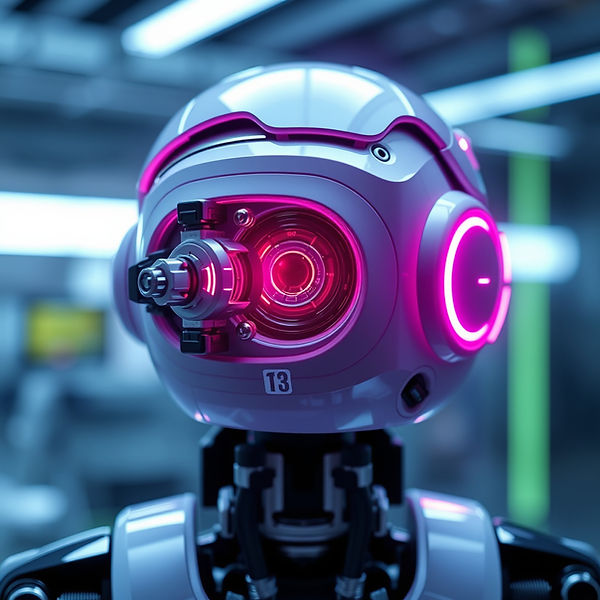
1. Robotic Support System for Precision Tasks
Simplified Problem Statement:
Design a compact, low-cost robotic assistant that helps users perform high-precision tasks without fatigue. The system should reduce hand tremors, improve stability, and feel like a natural extension of the user’s arm.
Students may build hardware, software, or hybrid prototypes focusing on ergonomics, precision control, real-time feedback, or intuitive interfaces.
Core Ideas to Explore:
-
Lightweight robotic arm/shoulder support
-
Fatigue reduction and tremor stabilization
-
Simple control interfaces (joystick, gesture, voice)
-
Real-time imaging or sensor feedback
-
Cost-effective engineering for broad usage

2. Portable Vision Examination Tool
Simplified Problem Statement:
Create a small, affordable, pocket-friendly eye-examination device that helps users see and assess the back of the eye. The device should be easy to carry, provide good illumination, and be suitable for basic training or screening.
Core Ideas to Explore:
-
Pocket-sized design
-
LED-based adjustable lighting
-
Rechargeable battery
-
Foldable or wearable form factor
-
Durable, cost-effective materials
3. Smart Medication Adherence System
Simplified Problem Statement:
Build a digital solution that helps people remember, track, and correctly use their daily medications. The system should monitor adherence, give reminders or guidance, and help doctors or caregivers understand usage patterns.
Core Ideas to Explore:
-
Smartphone app or smartwatch tool
-
Smart packaging or sensors
-
AR/VR or voice-guided instructions
-
Real-time notifications
-
Optional integration with healthcare dashboards

4. Immersive Medical Training Simulator
Simplified Problem Statement:
Develop a simulation-based training platform that helps students practice complex examination skills in a safe, standardized, and interactive way—without needing real patients. The simulator should replicate real scenarios, offer feedback, and help learners build confidence.
Core Ideas to Explore:
-
Virtual/augmented reality platforms
-
3D models of conditions
-
Interactive controls
-
Skill assessment metrics
-
User-friendly training workflow
5. Platform for Real-Time Mapping of Patient Flow & Resource Deployment
Simplified Problem Statement:
Imagine a way to simulate or implement an online platform that enables hospitals to continuously understand what is happening on the ground—how patients are moving through different service points and how staff and resources are being utilized at any moment. We are looking for an open-ended digital solution that can capture, visualize, and make sense of this dynamic ecosystem to support smoother operations, reduced waiting time, and better patient experience.
Teams may explore any combination of sensors, software, interfaces, or workflow innovations that help create real-time operational awareness.
Core Ideas to Explore:
-
Ways to track patient movement or status changes with minimal manual effort
-
Approaches to map staff availability, room utilization, and resource load
-
Visual dashboards or tools that make operational patterns easy to interpret
-
Methods to anticipate bottlenecks or delays using real-time or historical data
-
Solutions that support quick decision-making across departments
-
Ideas for low-cost, scalable, or plug-and-play deployment in diverse hospital settings
